
How does CBD work?
Updated January 2026
Related: What is industrial hemp? · Hemp University · Industrial hemp markets & supply chains
Quick answer: This guide supports readers researching How does CBD work? in the context of industrial hemp. It summarizes common concepts and links to deeper hubs—confirm any compliance-sensitive detail with official program rules.
Key takeaways
- Start with the lane: fiber, grain/seed, construction, composites, or regulated cannabinoids each have different rules and supply chains.
- Verify claims: ask “compared to what baseline?” and look for test-backed standards, not marketing language.
- Plan for bottlenecks: processing capacity and consistent specs are common failure points in hemp projects.
Topic: how-does-cbd-work
On this site: What is Hemp? · Hemp University · USDA hemp production · Hemp News · Hemp building materials · Hemp plastics
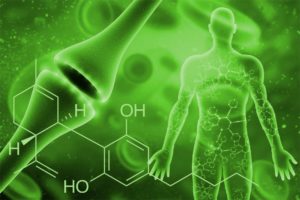 How does CBD work? The answer is complicated but we have this simplified, yet still very scientific, explanation. We believe it will help you understand how hemp CBD works in our bodies.
Firstly, medical research suggest that the main interaction of hemp CBD on our bodies is that it stimulates the parasympathetic nervous system (the part responsible for promoting rest, healing, rejuvenating and regenerating) and inhibits the sympathetic nervous system which is responsible for eliciting responses to stress and triggering the fight-or-flight mechanism.
A 2009 study reported in the Britsh Journal of Pharacology suggested that CBD is also an agonist of the 5-HT1A serotonin receptor, thought to be responsible for catalyzing states like anxiety and happiness, and general mood regulation. Hemp CBD also indirectly interacts with the endocannabinoid system, one of the key endogenous systems regulating pain sensation according to a 2015 article published in the Handbook of Experimental Pharmacology. It was therefore unsurprising for researchers to observe that through this action, CBD’s effects extend into suppressing pain and inflammatory processes. Finally, in 2019, science suggested that CBD has been shown to activate the TRPV2 receptor, which is thought to account in part for its potential antitumor effects.
From these studies, it is easy to see the excitement and growing reputation of hemp CBD oil and related products. However, it’s important to note again that, although it’s become legal and popular, CBD has not received FDA approval for use as a medical substance in any other case than for epilepsy. This means that the safety, purity, and concentration of the products on the market are as of now still unregulated, and the dosages and treatment regimes for specific illnesses are unspecified. Although CBD has rare and mild side effects, we still urge caution in using a substance that has not received federal approval.