
The story
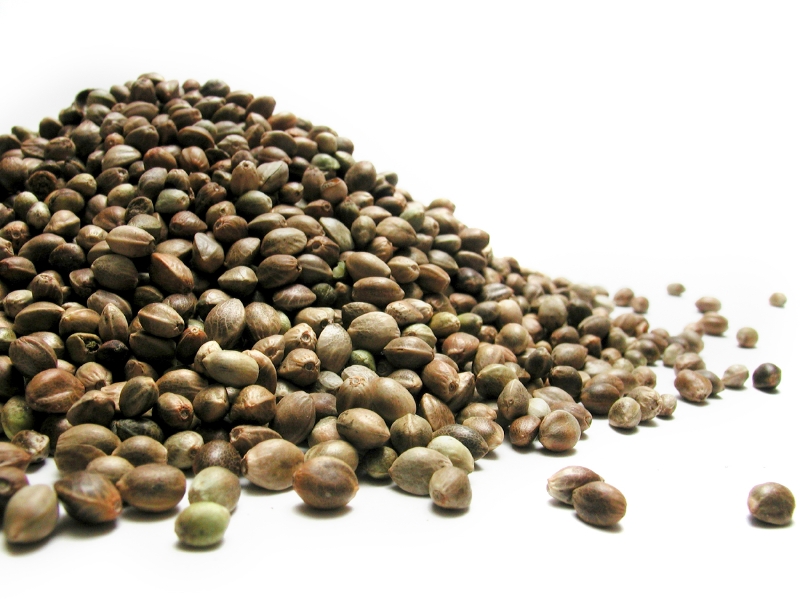 Picture a crunchy sprinkle that tastes mildly nutty, plays nicely with oatmeal, granola, dips, muffins, salads, smoothie bowls—even dog-treat formulations when owners read labels carefully—and you already know why hemp hearts caught on faster than jargon-heavy brochures. Beneath approachable flavor, farmers grow grain-type hemp cultivars to deliver steadier starch–protein–oil ratios than souvenir flower lines; crews winnow, hull, sterilize where required, and bag ingredients that travel through restaurant distributors, bakeries, co-packers, and export brokers the same way other specialty grains do.
Hemp.com keeps the storyline industrial: genetics, harvesting moisture, microbial controls, AMS sampling math, contractual foreign-material caps, pallet traceability—all the backstage detail that separates serious operators from gimmick tins. Seeds are not pharmaceuticals; they owe their reputation to recognizable macronutrient architecture and pragmatic cooking traits, not miraculous promises. Readers still benefit from disentangling federally enforced THC thresholds for lawful hemp cultivation from botanical CBD marketing: whole seeds seldom justify cannabinoid claims unless a formulated product dossier proves otherwise.
- Industrial lens: seed quality hinges on cultivar suitability, cutterbar timing, curing, hulling yields, roasting or pasteurization choices, nitrogen-flushed packaging—all levers altering shelf life as much as selfies on social feeds.
- Eating smart: treat hearts as flavorful protein-fat-fiber scaffolding within overall menus, coordinating with clinicians for disease-specific prescriptions instead of swapping medications for tablespoons.
Context
Crop history: Cannabis sativa evolved along parallel paths for fiber ropes, sacks, sails, caulking fibers, edible oil presses, poultry mashes, and emergency wartime cropping long before boutique chia-parfait aisles chased novelty plating. Modern breeding explicitly sorts grain, fiber, and dual-purpose hybrids; grain lines slot into rotations alongside oats or specialty beans when weed control budgets, harvesting windows, and certified cleaning lines align.
Legal backdrop (United States). The U.S. Department of Agriculture’s Agricultural Marketing Service hosts the Domestic Hemp Production Program materials that prescribe how hemp is sampled, laboratories accredited, THC concentration calculated, and non-compliant plants handled. AMS documentation is where growers and auditors align before talking retail spin (AMS hemp program overview). States may layer licensing, sampling cadence, transport permits, THC remediation protocols, tribal consultation, police coordination, processor bonds, and record retention—matching federal ceilings but not universally identical.
The U.S. Food and Drug Administration polices interstate commerce differently for hemp-derived food ingredients than for drug-ingredient narratives attached to intoxicating concentrates or purified cannabinoids. FDA’s consolidated explainer walks through distinctions between filings covering specific formats such as hulled hemp seed, hemp seed protein, and hemp seed oil, versus pathways that treat certain cannabis derivatives as pharmaceuticals—confusing those baskets powered years of blurry shelf talkers (FDA overview of hemp and cannabis-derived products).
Macros and micronutrients (kitchen science, not medicine). Whole or hulled seeds typically contribute meaningful polyunsaturated fat, plant protein, and—when hulls linger—additional fiber, along with micronutrients like magnesium, iron, and zinc in portions useful within balanced diets when reviewed against overall intake targets. Entries in USDA FoodData Central vary brand by brand because labels reflect manufacturer assays; skim several comparable SKUs rather than extrapolating from a meme graphic (FoodData Central homepage). For background on how ALA, the omega-3 fatty acid prominently found in many plant oils, behaves relative to marine EPA/DHA sources, NIH’s consumer-oriented Office of Dietary Supplements literature offers neutral framing—not individualized medical dosing (Omega-3 Fatty Acids factsheet).
What it means
Processors & quality assurance. Hulling removes fibrous shells, improving chew metrics for snack blends; cold-expeller pressing partitions oil fractions that carry different oxidative stability than crumbles earmarked for texturized protein crisps or flour blends downstream. Heat-assisted pasteurization steps manage pathogens yet can subtly shift volatile aromatics, which is precisely why sibling SKUs labeled “lightly toasted” diverge chemically from plain raw hearts despite shared cultivar lineage.
Commercial pull factors. Plant-forward cafeteria menus, school-allergy diversification strategies, nondairy analog R&D, birdseed premiumization, keto-friendly granola startups, ultrarunner backpacking calories, institutional bake labs testing partial wheat replacement—all expand addressable tonnage so long as copywriters avoid disease-cure euphemisms. Buyers reward foreign-material caps, THC compliance affidavits, microbial certificates, pesticide screening aligned with importer specs, humane worker handling audits, equitable grower contracting, hull-to-heart yield KPIs mirrored in spreadsheets shared with elevators.
Second-order market ripples. When speculative CBD acres swing, grain contracts can tighten unexpectedly or flood the cleaning circuit with off-spec biomass, swinging basis values for contracted hearts. Watching nationally reported hemp area statistics, even at coarse resolution, previews whether processors should lock forward coverage or gamble on prompt spot tons (USDA National Agricultural Statistics Service). Extension researchers publish cultivar suitability and harvest moisture targets; Cornell’s hemp hub summarizes Northeast trials while pointing toward broader agronomic principles growers adapt regionally (Cornell Hemp Program hub).
Future watch list. Harmonized nomenclature for cross-border confectionery formulations, tightened allergen cross-contact statements when lines share nut equipment, refinement of greenhouse gas calculators comparing seed protein concentrates with legume concentrates, and diplomacy around foreign novel food dossiers mirroring—but not cloning—GRAS dossiers domestically—all matter far more than whatever garnish trend dominates short-form cooking clips.
Verification & sources
Verification anchors. Federal THC compliance for domestically cultivated hemp begins with AMS rulemaking, laboratory approval lists, remediation definitions, negligent violation guidance, appeals channels, importer interaction memos exporters must mirror in trace packs—start there before citing pundit threads (AMS hemp regulatory hub). Food-label interpretive questions hinge on FDA documents describing ingredient categories juxtaposed against drug-ingredient exclusions (FDA cannabis product regulation primer).
Quantitative restraint. Academic compositional averages, breeder datasheets, FAO-style compendiums, manufacturer nutrition facts, and importer tolerances seldom agree decimal-for-decimal thanks to genotype-by-environment interplay, lipid oxidation during storage, and lab extraction methodology. Transparent operators publish ranges; careful readers compare multiple FoodData listings plus brand Certificates of Analysis when THC, pesticides, microbes, metals, or rancidity metrics materially affect sourcing (FoodData Central).
Scientific literature. Scholars continue dissecting lipidomic shifts in cold-pressed oils, protein digestibility after extrusion or fermentation, peptides with antioxidant chatter in vitro, carbon accounting for cropping systems, genetics steering oleic versus linolenic fractions—browse PubMed periodically with neutral terminology such as hempseed composition instead of influencer bullet lists devoid of citations (PubMed hempseed composition query). Where randomized human trials targeting disease endpoints remain thin, responsibly written editorial copy avoids implying cures or guaranteed biomarker swings.
When you still have questions afterward. Animal-feed approvals, kosher gelatin capsule compatibility, USDA Organic paperwork trails, THC carryover questions on adhesives bonding birdseed blocks, maritime insurance nuances for refrigerated containers—these forks depend on statutes and auditors in specific states or countries rather than generalized blog paragraphs.
Editorial standards
Hemp.com treats readers like supply-chain collaborators: when buzz outpaces statutes, reporters slow the story, annotate uncertainty, hyperlink primary documents, cite named agencies, differentiate anecdote from replicated science, clarify whether quotes arrive from compensated spokespeople versus independent agronomists, and annotate translation layers when multilingual regulations collide. Rumors implying detox regimes, miraculous hormone resets, covert CBD dosing via plain roasting, miracle athletic performance deltas absent training logs—earn explicit debunks or trims.
Corrections & updates. When AMS sampling math, THC conversion factors, allowable remediation definitions, importer tolerances, or GRAS dossier statuses change materially, Hemp.com attaches dated notices summarizing deltas and linking readers back to originating agencies so nobody relies on orphaned paragraphs.
Monetization & directory transparency. Sponsored tastings, affiliate query strings, compensated directory boosts, brokerage referral fees—when money shapes placement, Hemp.com publishes adjacent disclosures plainly stating sponsorship level, separating pay-to-play boosts from organically ranked evaluations. Editorial staff may still recommend paid partners when performance merits it, yet readers must perceive the funnel honestly.
- Medical boundary: nutrition narratives reference meal patterns, micronutrient education, sensory profiles, and food-safety housekeeping—never individualized dosing for chronic diagnoses.
- Legal boundary: statutes governing interstate hemp movement, THC transportation, intoxicating concentrates, hemp animal feed approvals, sovereign tribal hemp compacts merit attorney review case by case.
Explore further
Pair this hemp-seed briefing with Hemp.com explorations covering combines calibrated for hemp grain, dual-purpose cultivar spreadsheets, drying curve experiments, huller abrasion troubleshooting, bulk tote nitrogen blanketing, and export Harmonized System consultations—topics that collectively decide whether your favorite grocery bag stays affordable twelve months later. Start from the mothership index when you crave navigation rather than stumbling through orphaned URLs (Hemp.com homepage).
Directory utility. Filter partner listings by equipment modality—color sorting, micronizing, roasting lines, QA labs, refrigerated logistics, insurance underwriters versed in specialty grains—to assemble RFQ shortlists auditors can scrutinize uniformly. Verified vendors voluntarily upload food-safety dossiers outlining HACCP teams, corrective-action logs, microbiological thresholds, corrective maintenance SLAs—you compare apples-with-apples instead of deciphering carousel ads.
Reader next moves.
- Subscribe or bookmark AMS email digests touching sampling timelines before every harvest scramble.
- Print internal sell sheets referencing FDA glossary language so marketing creatives stop conflating seed flour with distillate slang.
- Draft procurement scorecards weighing microbial COAs, pesticide panels, THC affidavits, hull yield, roasting sensory panels, equitable grower premiums, regeneration claims—prioritize knobs matching SKU roadmaps rather than chasing every KPI simultaneously.
Hemp evolves quickly; ping editorial contacts when spreadsheets lag reality so Hemp.com prioritizes corrective explainers benefiting the whole stakeholder map—growers, line cooks, auditors, investors, teachers alike deserve synchronized facts.
Find suppliers
Browse verified industrial hemp businesses in the Hemp.com directory.