
Updated January 2026
Related: What is industrial hemp? · Hemp University · Industrial hemp markets & supply chains
Quick answer: Hemp can contribute biomass and oils used in some biofuel and bioproduct research and commercial pathways, but economics and scale depend on logistics, policy, and processing infrastructure—not a single “hemp fixes energy” shortcut.
Key takeaways
- Start with the lane: fiber, grain/seed, construction, composites, or regulated cannabinoids each have different rules and supply chains.
- Verify claims: ask “compared to what baseline?” and look for test-backed standards, not marketing language.
- Plan for bottlenecks: processing capacity and consistent specs are common failure points in hemp projects.
Topic: hemp-ethanol
On this site: What is Hemp? · Hemp University · USDA hemp production · Hemp News · Hemp building materials · Hemp plastics
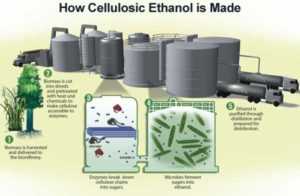 One interesting use for industrial hemp is turning it into ethanol. By definition, ethanol is a type of alcohol fuel that is distilled from plant material, such as corn. It is important to understand that hemp provides two types of fuel; hemp biodiesel – made from the oil of the hemp seed, and hemp ethanol/methanol – made from the fermented stalk. To clarify further, ethanol is made from such things as grains, sugars, starches, waste paper & forest products, and methanol is made from woody matter. Through processes such as gasification, acid hydrolysis and enzymes, hemp can be used to make both ethanol and methanol. In the US, Hemp ethanol could be produced for 1.37 per gallon plus the cost of the feedstock, with technological improvements and tax credits reducing the price another dollar or so per gallon. Hemp Ethanol is a very viable solution and should be used to augment our dependence on fossil fuels and in many ways provide for a cleaner more sustainable solution.