
Published 2026-01-29 (backdated)
Quick answer: More states are treating bio-based infill as a code-managed system, not an exception—reducing permitting friction. Below is what changed, what it means for farmers, processors, and buyers, and what to watch next.
What happened (summary)
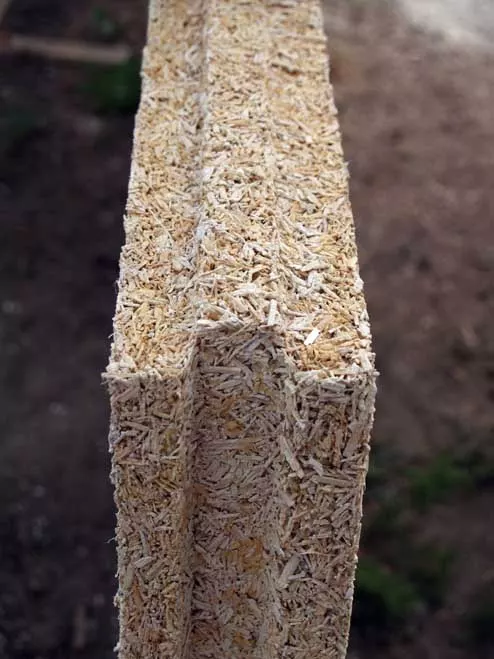
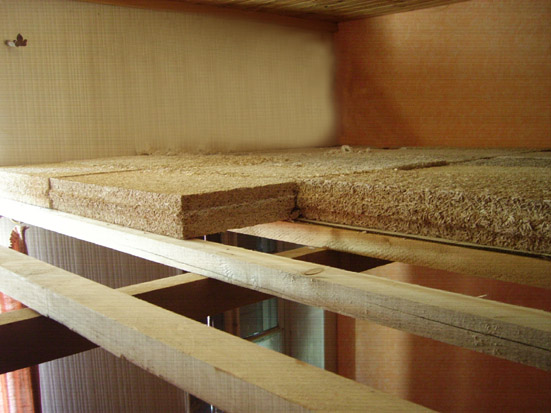
- Source: “MN Moves to Adopt Hempcrete, Strawbale in Residential Building Codes” (published 2026-01-28).
- Why this matters: Industrial hemp is still infrastructure- and policy-constrained; small rule and capacity shifts can change outcomes quickly.
Context you might have missed
Most headlines compress nuance. For hemp, the practical questions are: which product lane (fiber, grain/seed, materials, or regulated consumables), which standards apply, and where the processing bottlenecks are.
What it means (practical takeaways)
- For growers: Confirm compliance/testing timelines and buyer specs before planting or harvest logistics are locked in.
- For processors: Quality systems and reliable throughput matter more than hype—buyers need consistent specs.
- For buyers/builders: Ask for test-backed claims and define baselines (compared to what?) before adopting “green” materials.
Further reading on Hemp.com
Hemp News · What is industrial hemp? · Hemp building materials & hempcrete · Hemp testing & standards · Hemp sustainability (evaluate claims)