
Key terms (industrial hemp glossary)
Learn definitions before you go deeper. Each term links to our industrial hemp glossary.
- Industrial hemp
- Cannabis sativa L.
- Hemp grain
- Hemp seed
- Hemp seed oil
- Hemp biomass
- Hemp fiber
- Hempcrete
- Decortication
- USDA hemp program
On this site: What is Hemp? · Hemp University · USDA hemp production · Hemp News · Hemp building materials · Hemp plastics · Hemp textiles · Sustainability
So, What is Hemp?
Quick answer: Industrial hemp is Cannabis sativa L. grown commercially for fiber, grain/seed, and other lawful products, with U.S. federal law defining compliance through THC testing and licensing. USDA hemp production · Hemp vs. marijuana vs. CBD · Hemp University
An exceptionally versatile plant, industrial hemp has a wide range of industrial and everyday household uses, and the commercial market for hemp products is booming worldwide. Products made from hemp are considered long-lasting and eco-friendly. Hemp derived CBD products are also proving to be incredible for our health and well being. It is not What is Hemp but what can hemp do for us in our quest for sustainability!
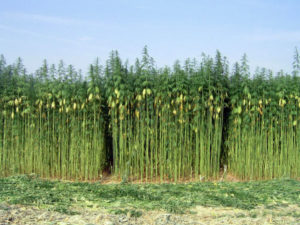
When someone wonders “what is hemp,” the common association with marijuana and drugs often arises, though this perception couldn’t be further from reality. This misconception underscores why industrial hemp remains one of the most misunderstood plants globally. The true answer to the question, “what is hemp?” lies in recognizing it as a sustainable, natural solution to many of humanity’s needs. With the passage of the Farm Bill in 2018, hemp cultivation has commenced in numerous states. Yet, the question extends beyond mere definition; it’s now about understanding what hemp can do for individuals and our environment, and what we can do to harness its potential. Now, hemp oils, CBD, hemp plastics, hemp building materials, and various hemp fiber products are readily available in the market.
Hemp is the low tetrahydrocannabinol (THC) variety of the Cannabis Sativa plant, containing minimal THC content as mandated by federal law—specifically less than 0.3% THC by dry weight. This distinction ensures that industrial hemp does not induce any psychoactive effects associated with marijuana. However, hemp and marijuana often face confusion, which can be clarified through our hemp vs. marijuana page.
The industrial hemp plant typically grows tall with thick stalks, producing exceptionally long fibers suitable for various applications. Though initially coarse, advancements in genetics have diversified industrial hemp plants to suit different purposes, including CBD production.
While the resurgence of industrial hemp in the United States is regulated, Canada has seen significant success in commercial hemp cultivation. With legalization, hemp has become a lucrative multi-million dollar export in Canada. Similar growth potential awaits the United States as public awareness of hemp’s benefits expands. So, what are the uses of industrial hemp?
Industrial hemp offers a plethora of uses, spanning medicines, foods, paper products, molded plastics, textiles, body care products, construction materials, animal feed, bedding, nutritional supplements, and essential oils. A plant-centric perspective highlights primary parts of the hemp plant and their associated uses.
Related: What is industrial hemp? · Hemp University · USDA hemp production program
Hemp Seeds
The hemp seed is remarkably nutritious, boasting protein and omega-3 fatty acids. Its versatile derivatives include cereals, cooking oils, cosmetics, bio-plastics, animal feed, fuels, lotions, and more.
The Hemp Stalk
Industrial hemp stalks yield long, soft fibers ideal for textiles and composites. Products range from apparel and carpets to papers and ropes.
Hemp Leaves
Despite resembling marijuana leaves, industrial hemp leaves offer nutritional value and antioxidants. They’re utilized in animal bedding, compost, papers, and insulation, among other products.
The Hemp Flower
The prized industrial hemp flower yields valuable cannabinoids, notably CBD, used in isolates, distillates, and oils, contributing to a thriving market. Learn more about industrial hemp in our Hemp University section.
More from Hemp.com: Business directory · Buyer’s guides · Comparisons · Reviews · Tools · Industrial hemp tools hub · Hemp textiles · Hemp sustainability · Hemp markets · Hemp paper & packaging · Testing & standards · Fiber processing · Growing hemp · Cooking with hemp · Uses of hemp · Countries growing hemp · Hemp oil (nutrition) · Hemp store · Hemp News · Contact
Frequently asked questions
Where should I start if I’m new to hemp?
Start with What is Hemp?, then pick a track: growing, uses, or USDA compliance.
Does Hemp.com give legal or medical advice?
No. We publish educational news and explainers. For legal or medical decisions, consult qualified professionals and official agency guidance.
Related guides
Educational overview only—not legal, medical, or investment advice. For official rules, follow USDA, FDA, and your state or tribal hemp program. About Hemp.com