
In a world grappling with the environmental consequences of fast fashion, sustainable alternatives are emerging to challenge the status quo. Hemp clothing stands at the forefront of this revolution, offering a greener and more ethical choice for conscious consumers. This story explores the myriad benefits of hemp clothing, from its eco-friendly cultivation to its durability and versatility in fashion. Join us as we unravel the threads of hemp’s environmental advantages and its potential to reshape the fashion industry.
Cultivating Hemp: A Low-Impact Crop
Hemp’s environmental journey begins with its cultivation. This chapter delves into the sustainable farming practices associated with hemp. Unlike conventional cotton, hemp requires significantly fewer resources—less water, no synthetic fertilizers, and no pesticides—to thrive. Its robust growth and ability to prevent soil erosion make it a valuable tool for regenerative agriculture. By choosing hemp over conventional fibers, we can reduce the environmental impact of fashion and promote a more sustainable agricultural system.
Hemp Fiber: The Green Weave
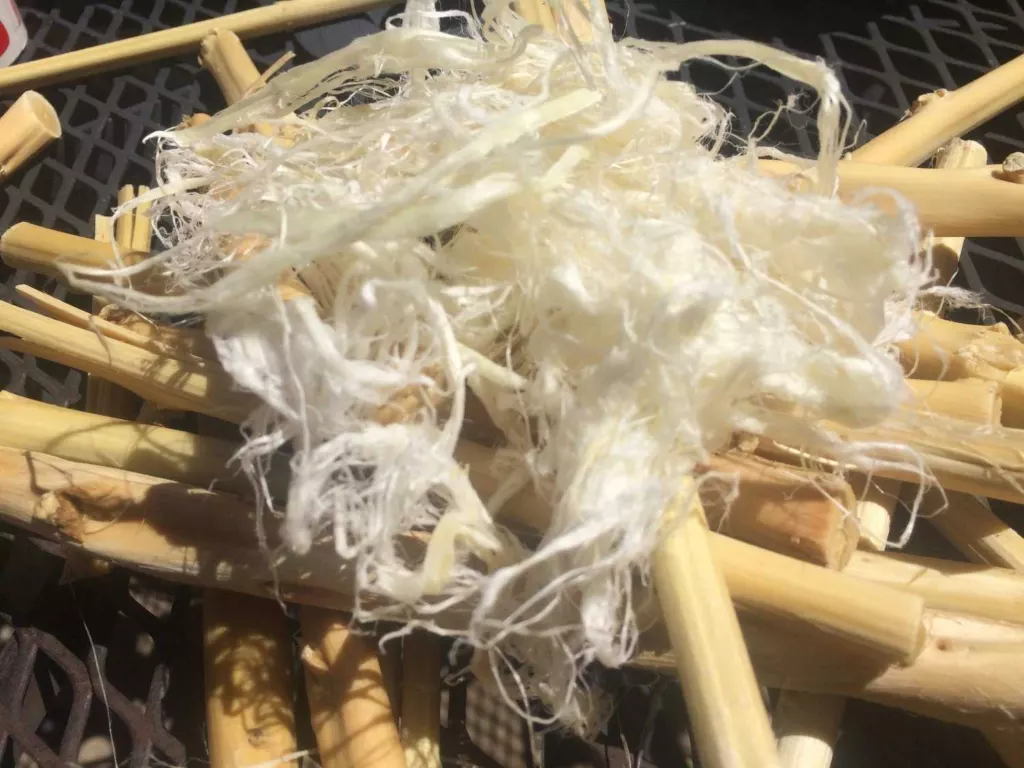
Hemp fibers are the backbone of sustainable clothing. This chapter explores the unique properties of hemp that make it an excellent choice for textile production. Hemp fibers are naturally strong and durable, meaning garments made from hemp have a longer lifespan compared to those made from other materials. Furthermore, hemp textiles offer breathability, moisture-wicking capabilities, and natural UV protection, ensuring comfort and functionality for the wearer. By investing in hemp clothing, we can reduce waste and contribute to a more sustainable wardrobe.
A Cleaner Industry: Hemp vs. Conventional Fibers
Comparing hemp clothing with conventional fibers reveals stark differences in environmental impact. In this chapter, we delve into the environmental consequences of conventional materials like cotton and polyester. From excessive water usage and chemical pollution to microplastic pollution in our oceans, the fashion industry has long been a culprit in environmental degradation. Hemp clothing presents a sustainable alternative, significantly reducing water consumption, eliminating the need for harmful pesticides, and contributing to a cleaner and greener textile industry.
Closing the Loop: Hemp and Circular Fashion
The concept of circular fashion, where garments are designed for longevity and materials are recycled or upcycled, aligns perfectly with hemp clothing. In this chapter, we explore how hemp can be part of the circular fashion movement. Hemp fibers are versatile and can be recycled, repurposed, or composted at the end of their life cycle. Furthermore, hemp blends well with other sustainable materials, such as organic cotton or recycled polyester, to create innovative and environmentally friendly textiles. By embracing hemp clothing, we take a step towards closing the loop in fashion and reducing waste.
Fashion Forward: Style and Versatility
Sustainable fashion should not only be environmentally friendly but also fashionable. In this chapter, we celebrate the style and versatility of hemp clothing. Hemp textiles have evolved to offer a wide range of fabrics, from soft and breathable knits to durable denim-like weaves. Designers and brands are incorporating hemp into their collections, showcasing the potential for stylish and eco-conscious fashion choices. By choosing hemp clothing, we make a statement that sustainability and style can go hand in hand.
Future of Hemp in Sustainable Fashion
Hemp clothing stands as a beacon of hope in the fashion industry’s quest for sustainability. From its low-impact cultivation to its durable and versatile fibers, hemp presents a compelling case for a greener wardrobe. By choosing hemp clothing, we can reduce our carbon footprint, conserve water resources, and promote regenerative agriculture. As more consumers and fashion brands embrace hemp
Further reading: What is Hemp? · Hemp University · USDA hemp production · Hemp News